







Search Results for: Coffee Whipping
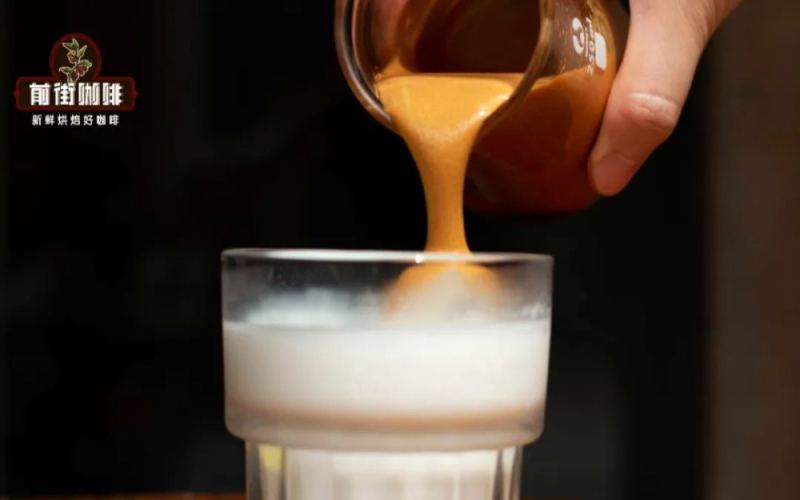
Complete Tutorial for Making Dalgona Coffee (400-Times Coffee): Espresso Extraction Ratios and Analysis of Whipping Failure Causes
Dalgona coffee (also known as 400-times coffee) continues to thrive on major social platforms thanks to its dense, cloud-like coffee foam and beautiful layered effect. However, many people find after trying it themselves that the result falls far short of the tutorials, with problems such as the foam not whipping up, a coarse texture, and rapid collapse appearing one after another. This article will break down the key points of making dalgona coffee step by step from three dimensions—ingredient selection, espresso extraction parameters, and whipping techniques—and focus on analyzing the common reasons why espresso fails to foam and the corresponding solutions, to help you make a cup of dalgona coffee with distinct layers and a rich, mellow taste. [more…]
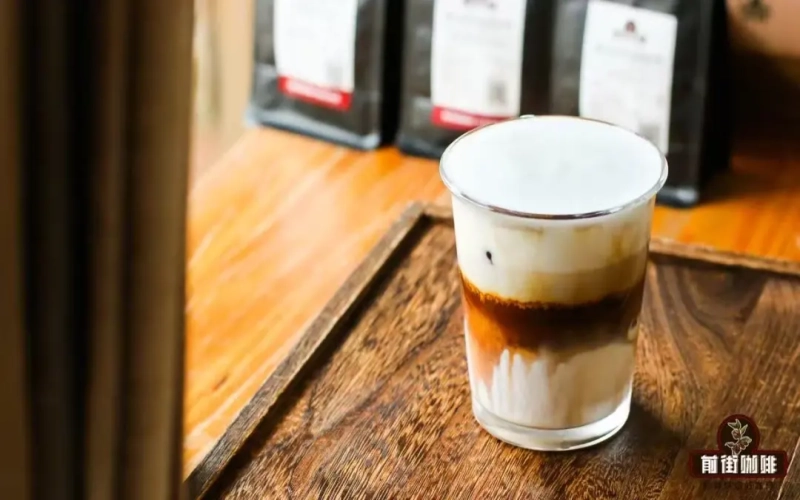
A New Way to Make Iced Cappuccino: Mixed Frothing and Teacup Presentation, with Detailed Parameters for Easy Home Preparation
The milk foam of an iced cappuccino is usually whipped separately and not blended with the coffee, which leaves the foam itself rather tasteless and instead highlights the bitterness of the coffee. So someone tried mixing all the cappuccino ingredients together and whipping them as one, and the result was a milk foam full of coffee aroma with a unique flavor. A coffee shop in Beijing used exactly this mixed whipping method, paired with a lidded-bowl presentation, and quickly went viral online. Today Front Street is sharing how to make this unique iced cappuccino; the ingredients are for reference only and can be freely substituted. This time we're using Front Street's classic espresso blend, a medium-dark roast blended from three origins—Indonesia, Brazil, and Vietnam—with notes of chocolate, caramel, cream, and nuts, and a rich crema. All you need to make it is a French press: combine a double espresso, chilled fresh milk, and syrup, then whip. It's simple to do and perfect for trying at home. [more…]
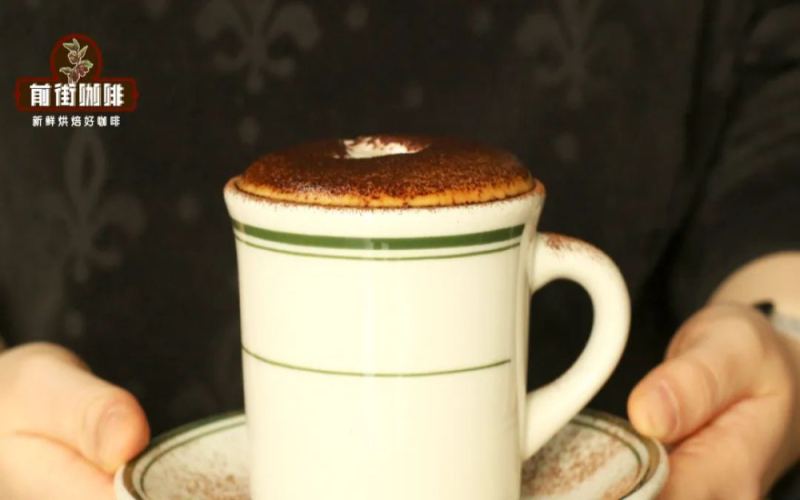
The Viral Social Media Donut Latte Home Replication Guide: A Detailed Breakdown of Recipe Ratios, Frothing Techniques, and Decoration Key Points
The donut latte that went viral on Korean social platforms, with its ring of puffed-up fluffy milk foam and cocoa powder decoration, has become a warm winter drink that gets rediscovered every time the temperature drops. Front Street has now recreated it firsthand and found that the overall barrier to making it isn't high—the key lies in controlling the ingredient ratios and the whipping state. The entire drink consists of two main parts: a hot milk coffee base and a cocoa-flavored milk cap. The base can be a hot latte or cappuccino, while the milk cap is made by mixing whipped heavy cream, syrup, and a small amount of salt. Below, we'll share the complete recipe, step-by-step instructions, and the detailed insights Front Street summarized through multiple attempts, including how the amount of milk affects the flavor, how to judge the timing of whipping the cream, and how to avoid common mishaps like the dome cracking or the coffee overflowing. [more…]

Why are Starbucks delivery drinks often not filled to the top? The company advises drinking them as soon as possible, while consumers are calling for greater consistency in product quality.
Recently, there have been many complaints on social media about Starbucks delivery drinks not being filled to the top, involving the Mousse Espresso series, drinks with cream on top, and some hot beverages. Images shared by netizens show that upon delivery, the liquid level is noticeably lower than in-store offerings. A customer used a buy-one-get-one coupon to purchase two Rum Mousse Espresso Lattes, and one of them was not full. Customer service only compensated with a 10-yuan delivery coupon. Starbucks officially explains that the top of the Cloud Macchiato series is made by whipping light cream with milk, while the Mousse Espresso series involves whipping espresso into a mousse texture. For these drinks, the milk foam or coffee foam dissipates over time, and the ordering interface also reminds customers to drink them promptly. Consumers hope the official will pay attention to the consistency between delivery and in-store offerings, or consider not listing such drinks on delivery platforms. Front Street Coffee continues to monitor coffee industry trends and brings you professional insights. [more…]

How to make frozen 400 times coffee? A real-world comparison test of espresso and instant freeze-dried powder—which tastes better?
Dalgona coffee has taken the internet by storm with its cloud-like, velvety foam and caramel-sweet flavor, while the frozen version of Dalgona coffee needs only one extra step of chilling to transform the coffee foam into an ice cream-like texture, with layers that rival a snow-topped coffee. But when making it, should you use espresso or instant freeze-dried powder? What exactly are the differences between the two in terms of whipping difficulty, flavor expression, and final mouthfeel? Front Street Coffee conducted two sets of comparative experiments using freshly brewed espresso and instant coffee powder respectively, recording everything from extraction parameter adjustments and whipping time to the texture of the final product, to help you find the method that suits you best. [more…]
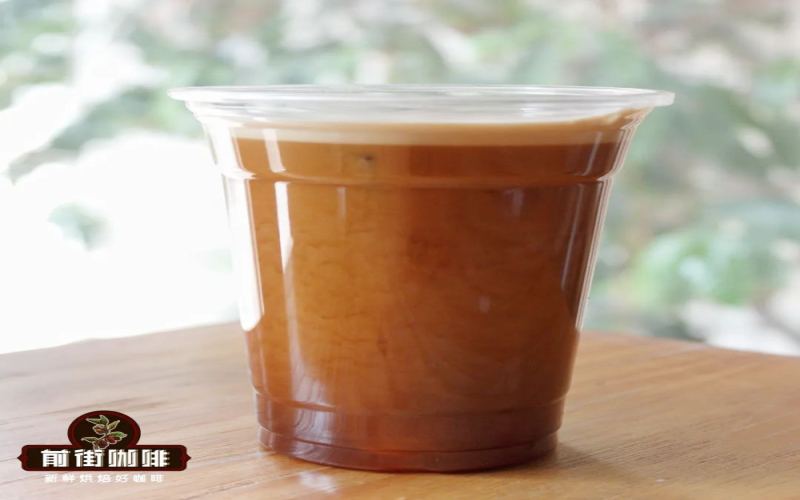
What is a Shaken Iced Americano? A Complete Guide from Espresso Whipping to Layered Texture
Iced Americano has always been the best-selling item with the lowest barrier to entry in coffee shops, requiring only a simple combination of espresso, ice cubes, and water. But if you take a few extra steps on this basis, you can get a cup of quicksand iced Americano with a completely different visual effect and taste. Its core lies in using steam to whip the crema of the espresso into a golden, fine foam, which naturally layers after resting, presenting a scene of fine sand slowly sliding down. This article will completely break down this drink from principles, operational steps to flavor performance, and also introduce the presentation method of waterfall iced Americano, as well as the practical suggestions summarized by Front Street Coffee during production, to help coffee lovers replicate at home a creative Americano that combines both visual appeal and drinking pleasure. [more…]

Full Guide to Making Flowing Iced Americano: Three Whipping Methods and Ice-to-Water Ratios Explained
The Start of Winter in Guangdong often feels like a mere formality—after a brief cooldown, the heat quickly returns, so the demand for iced coffee naturally stays high. As a classic heat-beating staple in cafés, iced Americano and its creative variations also attract plenty of attention. Among them, the "quicksand iced Americano" has recently been the item most frequently asked about by customers at Front Street Coffee locations. Although Front Street Coffee does not sell this product, its production principle is in line with that of iced Americano, with the only difference being the technique. This article will begin with the formation principle of the quicksand effect, then introduce in detail three different frothing methods—the espresso machine steam wand, the shaker, and the French press—and provide the specific ratios of coffee liquid, ice cubes, and water required for each. At the same time, it will also share espresso bean choices suitable for making iced Americano, including Front Street Coffee Huakui SOE, Front Street Coffee Grana Geisha SOE, and several blends, to help everyone recreate this distinctive deliciousness at home. [more…]

Complete Guide to Vietnamese Egg Coffee: From Its Origins to a Hands-On "Liquid Tiramisu" Recipe
There are two highly iconic coffees on the streets of Vietnam. Besides the familiar drip coffee, the other is egg coffee made with raw eggs. Recently, a new version of the recipe has become popular online, and those who have tried it have unanimously described it as "liquid tiramisu," which makes one wonder: what kind of taste and flavor could deserve such praise? This article will guide you through the origin and evolution of Vietnamese egg coffee and provide a complete replication using the current popular recipe, sharing everything from ingredient preparation and whipping techniques to coffee extraction parameters step by step, and finally including a real tasting experience. If you also want to know just how magical this egg coffee, called "liquid tiramisu," really is, then follow along with Front Street Coffee and give it a try. [more…]

Why Is Iced Cappuccino So Hard to Find? A Detailed Explanation of Espresso-to-Milk Ratios and the Differences Between Iced and Hot Preparation Methods
When ordering at a café, many customers notice that iced cappuccino isn't on the menu, and may even be told by the barista that "cappuccino isn't made iced." Behind this are both flavor considerations and the cumbersome production process. Starting from real conversations at Front Street Coffee's physical stores, this article analyzes the two core characteristics of hot cappuccino—thick milk foam and rich coffee flavor—and, using the classic blend as an example, discloses the complete parameters: 20g of grounds extracted into 40ml of espresso, 140–150ml of refrigerated milk whipped into 3cm of milk foam, and a milk temperature of 65°C. It also compares the similarities and differences between iced cappuccino and iced latte, explaining why iced milk foam is time-consuming and labor-intensive yet struggles to improve the taste, as well as the改良 attempts some cafés make by dusting cocoa powder or substituting cream. [more…]
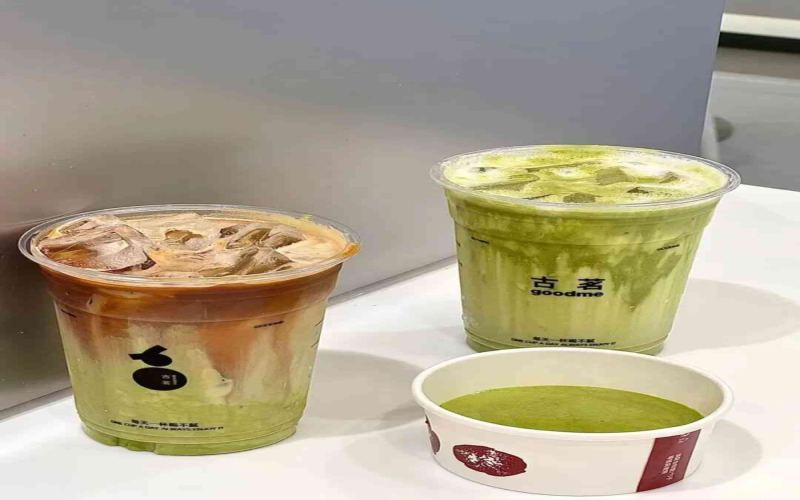
Guming's pistachio milk cap has a complicated preparation process, drawing complaints from staff, with morning shift prep becoming a challenge.
During the holiday period, sales at tea beverage stores surged, but Guming employees were complaining bitterly about a pistachio milk cap. Since its launch in early September, this series has won customers' favor with its unique aroma, but in making the milk cap, the pistachio paste is thick and difficult to pour, and whipping takes more than 10 minutes, leaving many workers feeling overwhelmed during order surges and even calling it an "early shift nightmare." This article details employees' feedback on the production difficulties and includes related recommendations from Front Street Coffee. [more…]

The Origin and Making of Hand-Whipped 400-Times Coffee: From Macau's Hon Kee Tea Stall to Korean Viral Fame
A cup of frothy coffee that requires repeated whipping hundreds of times quickly became popular due to the Korean variety show "New Product Launch Convenience Restaurant." During the pandemic, Koreans trapped at home rushed to imitate it, sparking a check-in craze on social platforms. Many people think this was invented in Korea, but its origins actually lie in Macau—at the Han Kee tea stall in an abandoned shipyard in the city's ring district. The owner mixed instant coffee powder, hot water, and granulated sugar in a 1:1:1 ratio, whipping it by hand at high speed to achieve a dense foam after about four hundred strokes. This article traces the origin and principles of this drink, and provides specific steps to recreate it using espresso and an electric milk frother, preserving Front Street Coffee's production demonstration and tasting experience. [more…]

Can a Moka Pot Also Make Golden-Foam Espresso? A Complete Breakdown of the Italian Home Method
In the eyes of many Italians, only espresso deserves to be called "real coffee"—that rich, heavy, even slightly bitter texture has long been woven into their daily lives. As the moka pot found its way into countless homes, this small, compact device became the top choice for making an espresso "stand-in" at home. Recently, Front Street Coffee noticed a special moka pot espresso method: with just a moka pot, ground coffee, and granulated sugar, you can get a coffee that is thick in texture and covered with golden foam on the surface. This article will reproduce this method step by step, from bean selection, grinding, to extraction and frothing, and share the actual flavor tested using Front Street Coffee's Black Cocoa Blend, taking you to experience the unique charm of Italian home coffee. [more…]

Cold Brew Vienna Coffee Making Guide: Bean Selection Key Points, Cream Handling, and Detailed Parameters & Ratios
On a scorching summer day, a glass of iced coffee always brings a rare moment of cool comfort. If you top cold brew with a layer of velvety cream, you get the Cold Brew Vienna, which has become quite popular in recent years. This drink is not complicated to make and can easily be recreated at home, but if you want it to reach its best flavor, the choice of coffee beans and the way the cream is handled are the two key steps. Based on Front Street Coffee's hands-on experience, this article sorts out the roast levels suitable for pairing with cream, recommended specific bean options, and the differences between milk caps and whipped cream along with suggestions for choosing between them, and it also includes complete preparation parameters and drinking methods to help you make a cup of Cold Brew Vienna at home with distinct layers and a striking contrast in texture. [more…]
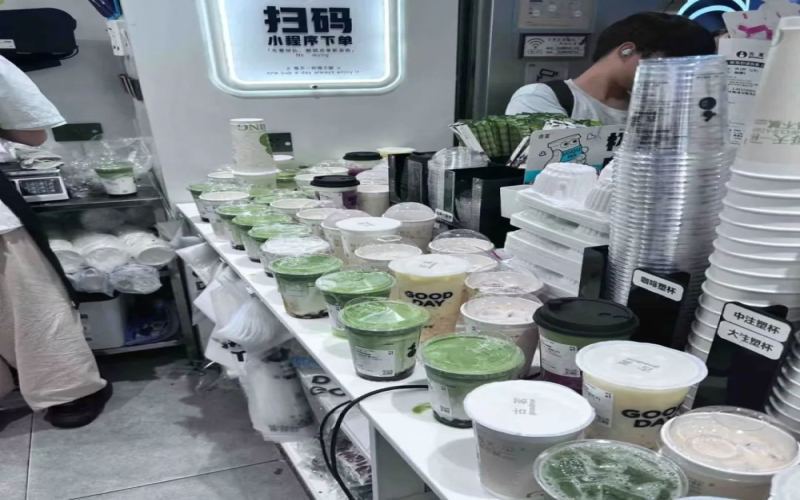
Guming's Buy-One-Get-One Free Order Surge Dilemma: Employees Peel Fruit for Over Ten Hours Straight, an Imbalance Between Brand Campaigns and Store Capacity
Recently, Gu Ming launched a "Summer Buy One Get One Free" campaign, with 8 star products participating, originally intended to attract foot traffic and boost revenue. However, after the campaign went live, store orders far exceeded expectations, and back-of-house staff were forced to handle fresh fruit, whip cream, and other prep work under high intensity for long hours. Some worked 15.5 hours straight, and their hands cramped from peeling grapes. The brand's frequent collaborations, takeout wars, and limited-time offers have left the "farm tea workers" complaining endlessly, and also exposed the disconnect between campaign planning and store staffing and process simplification. This article reviews the real situation of this order surge and the voices of employees, while also offering coffee lovers a product perspective from brands such as Front Street Coffee. [more…]

Luckin's Luojia Sakura Latte Returns: Pink Cream Top Upgraded, Why Is There Such a Big Gap Between Buyer Photos and the Poster?
In the spring of 2021, Luckin launched a limited-edition drink called "Luojia Cherry Blossom Latte," which quickly became a hit thanks to its pink appearance and lingering floral aroma. Every spring since then, it has returned as scheduled. This year, the drink was upgraded again: the whipped cream top came back and was changed to pink, further boosting its visual appeal and drawing a large number of customers to order it. However, the first batch of customers who received the drink discovered that the actual whipped cream top differed enormously from the official poster—the cream lay flat across the surface of the cup, and was mocked as looking like "cream pooped in the cup." Neither iced nor hot drink buyer photos were spared, and Luckin staff rushed to apologize in the comments section, while former employees also showed up to explain. Exactly which steps went wrong? Insufficient training for new employees, unfamiliarity with using the whipped cream charger, poor condition of the light cream... This article reconstructs the whole story behind this whipped cream top "fiasco." [more…]

Whisking coffee with a tea whisk? Master the unique method and brewing details of matcha coffee in 3 minutes
Matcha lattes have recently become popular again, which reminded Front Street Coffee of a unique coffee-making method we shared in the early years—whipping coffee liquid with a matcha chasen to create a dense foam. This method was created by actor Hiroshi Fujioka, inspired by his mother's tea ceremony, transplanting the whisking action used in matcha preparation onto coffee. It not only enhances the aroma and mouthfeel but also carries a distinctively Japanese character. This article will provide a complete introduction to this method: from background knowledge on matcha and the whisking method of tea preparation, to coffee bean selection, brewing parameters, chasen whisking technique, and finally an actual tasting comparison. Front Street Coffee used Blue Mountain coffee beans and a Kono dripper for the brewing demonstration, and recorded the noticeable differences in flavor before and after whisking, making it suitable for trying at home. [more…]
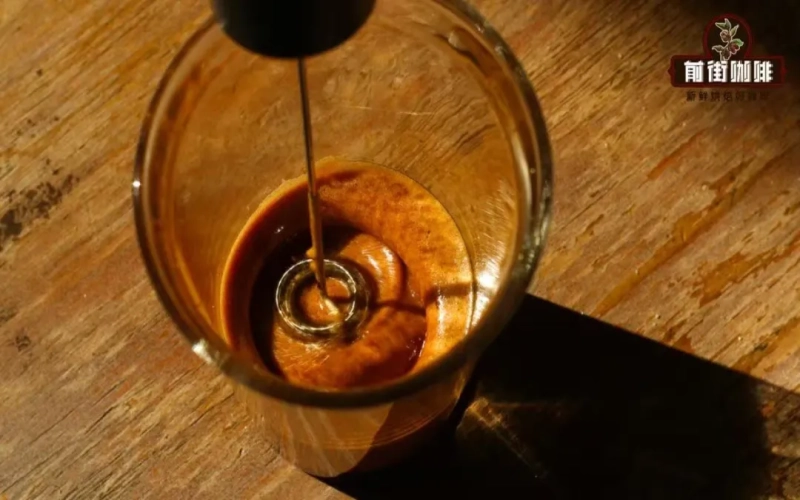
What Can Coffee Cream Be Used For? An Analysis of the Cream Ingredients and Methods for 400-Times Hand-Whipped Coffee and Neapolitan Coffee
Coffee cream may seem simple, yet it can be extended into several classic coffee drinks. This article centers on the making and use of coffee cream, outlining three methods—400-times hand-whipped coffee, Neapolitan coffee, and coffee ice cream—and explaining the differences between instant coffee powder and espresso in preparation. It also draws on Front Street Coffee's bean list recommendations, suggesting dark-roast beans suitable for making coffee cream, such as Front Street Classic Blend and Front Street Strawberry Candy Espresso, helping readers strike a balance of sweetness, texture, and flavor when recreating them. [more…]

Blended Coffee Bean Recommendations | Which Coffee Beans Are Suitable for Espresso? What Are the Coffee-to-Milk Ratios for Lattes and Flat Whites?
For more specialty coffee knowledge, please follow: Front Street Coffee (Frontsteet Coffee). Coffee enthusiasts who have tried a flat white know that flat white is not served iced—if you add ice cubes, it will most likely become a latte, which means that a flat white is more [more…]
Flavored Latte Making Guide: A Practical Analysis of Italian Milk Coffee Syrup Pairings and Milk Frothing with Sugar
For those who aren't used to the bitterness of coffee, flavored lattes are undoubtedly the ideal entry point into espresso drinks. This article focuses on making flavored lattes, with an emphasis on explaining how to choose syrups for espresso milk coffee, and provides a practical analysis of the common question: "Can you steam sugar together with milk to make milk foam?" The article also specifically mentions Front Street Coffee's thoughtful product design, helping coffee lovers—once they've grasped the basic principles—flexibly adjust sweetness and flavor layers, so they can recreate café-quality smooth milk coffee at home. [more…]

Why Isn't Cappuccino Served Iced? The Origin of the Name and the Art of Golden Circle Milk Foam
Cappuccino is a classic on the coffee menu, but when you order an iced cappuccino from a barista, they often look troubled. Behind this lies both the historical origins of the name and the physical properties of milk foam and coffee crema. This article will trace the evolution of the name "cappuccino" from the beginning, explain why the traditional standard known as the "coffee golden ring" came to be, and analyze why iced cappuccino is almost never seen. It will also explain the drinking awkwardness caused by overly thick milk foam and unstable structure in hot cappuccino, as well as Front Street Coffee's related recommendations on milk foam handling, to help you understand this Italian classic more comprehensively. [more…]